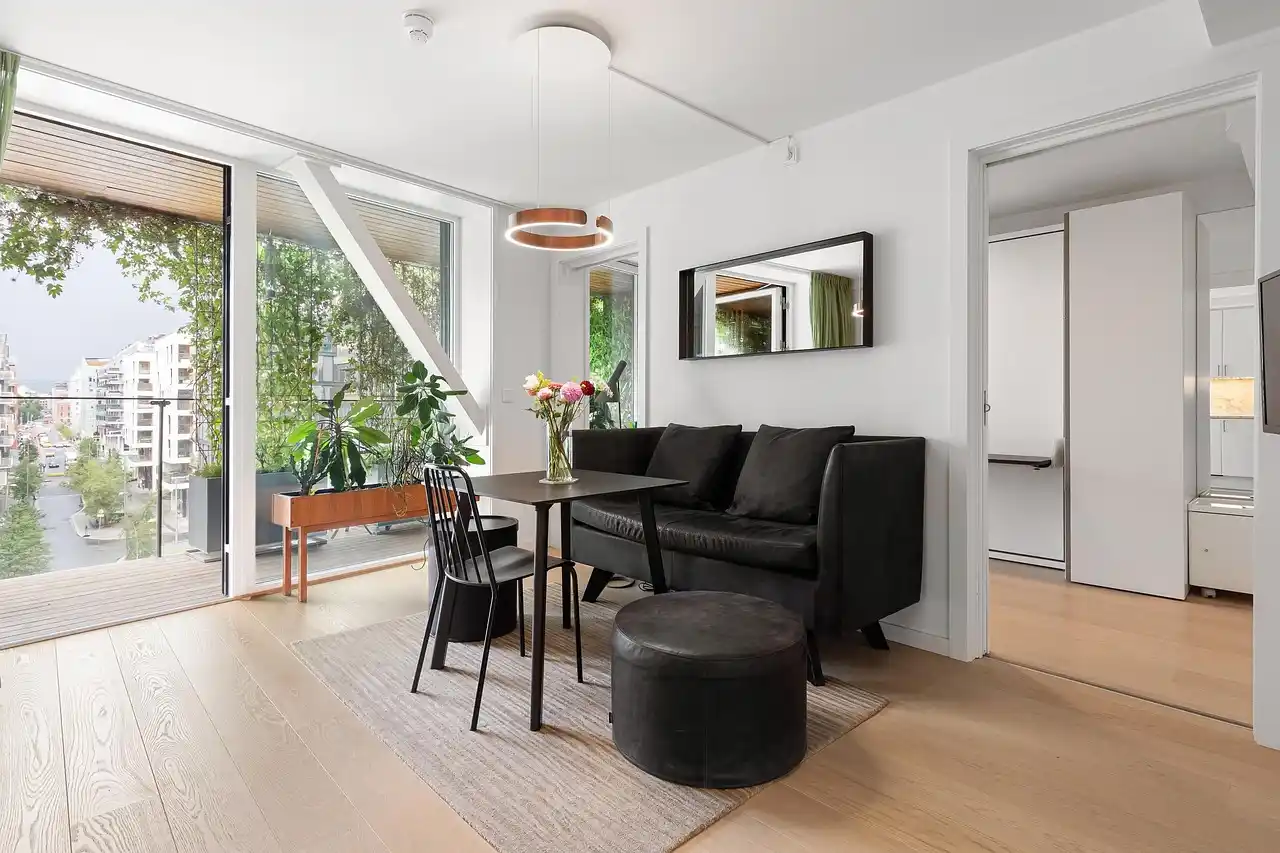
If you are searching for home window tinting near me, you're probably aiming to reduce heat, block UV rays, increase privacy, and protect floors and furnishings. Local installers can tailor films to your climate and home style while maintaining natural light. This guide helps you understand options, find reputable providers, and make an informed choice.
What is home window tinting?
Residential window tinting uses thin films applied to glass to alter light transmission. Modern films block a large percentage of infrared heat and UV rays, while preserving visibility. The right tint can reduce interior temperatures, lower air conditioning costs, and improve comfort year-round.
How to find a reputable local tinting service
Start with a local search for home window tinting near me and review map listings, customer ratings, and portfolios. Look for installers with established businesses, proper licensing, and warranties on both film and workmanship. Ask for in-person measurements and a written estimate that includes film type, visible light transmission (VLT), and heat rejection.
- Check certifications from film manufacturers and industry associations.
- Request a site visit to assess glazing, solar exposure, and privacy needs.
- Review before-and-after photos or testimonials from similar homes.
- Compare warranty terms, including coverage for fading, peeling, and bubbles.
Types of window tint films for homes
Dyed films
Dyed films are budget-friendly and provide privacy by adding color to the glass. They offer modest heat reduction and can darken rooms, but may fade over time.
Metalized films
Metalized films reflect heat and add strength to the glass. They can interfere with HVAC sensors or electronics in some cases; discuss compatibility with smart windows or home automation.
Ceramic films
Ceramic films deliver strong heat rejection with high clarity and minimal signal interference. They are popular for energy savings and preserving natural light.
Carbon films
Carbon-based films reduce glare and provide a matte appearance without metallic reflectivity. They offer good UV protection and long-term color stability.
Reflective/dual-reflective films
Reflective coatings reduce visible light and add a mirror-like exterior. They can improve privacy from the outside but may alter the view from inside at certain angles.
Energy savings and UV protection
Most home tint films block up to 99% of UV radiation, protecting interiors from fading. In hot climates, heat-rejecting films can lower cooling loads by 5-20% depending on glass type and film selection. When combined with energy-efficient windows, tinting enhances insulation and comfort without sacrificing daylight.
What to expect during installation
Installation is usually performed on a dry, clean window surface. A professional will clean, cut, and apply the film with precision to avoid bubbles or edges lifting. Depending on house size, multiple rooms may require scheduling over a few days. After installation, allow 24-48 hours for adhesive to cure and avoid cleaning agents that could affect the film.
Comparison of tint types
| Film Type | Benefits | Drawbacks | UV Rejection | Light Transmission | Best For |
|---|---|---|---|---|---|
| Dyed | Low cost, privacy | Fading over time, less heat control | Up to 99% | 60-80% VLT | Budget rooms with privacy needs |
| Metalized | Excellent heat rejection, strength | Possible interference with electronics; darker exterior | 80-99% | 40-70% VLT | Heat-sensitive spaces with glare issues |
| Ceramic | High heat rejection, clear optics | Higher cost | ≥99% | 60-80% VLT | Energy efficiency and views |
| Carbon | Non-metallic, strong UV protection | Moderate cost | About 99% | 50-70% VLT | Balanced privacy and aesthetics |
| Reflective | Excellent glare control | Exterior reflectivity; visible from outside | ≥99% | 15-50% VLT | High glare control on sunny facades |
Cost considerations and ROI
Residential tinting costs depend on film type, window size, and installation complexity. Expect to pay roughly 5-15 per square foot for basic dyed films and 8-18 per square foot for ceramic or carbon films, plus labor. While upfront costs can be substantial, the energy savings from reduced cooling loads often offset expenses within 3-7 years, depending on climate and home efficiency measures. A trusted installer can provide a formal ROI estimate based on your monthly energy usage and local utility rates.
When budgeting, consider added value beyond energy savings: enhanced comfort, privacy, protection for furnishings, and potential improvements in insurance premiums after professional tinting. Always obtain written warranties, and confirm whether the warranty covers film adhesion, bubbling, and fading for the life of the window or a specified period.
Conclusion and next steps
Conclusion, for home window tinting near me, start with a local search, check reputable providers, review portfolios, and request in-person estimates. Choose a film type that balances heat rejection, light transmission, and aesthetics for your climate and home. Verify licenses, warranties, and installation practices to ensure a durable, long-lasting result. With careful selection, you gain a cooler interior, better UV protection, and a more comfortable living space.
%20631-4295-9991f1c4c750?q=80&w=2070&auto=format&fit=crop)