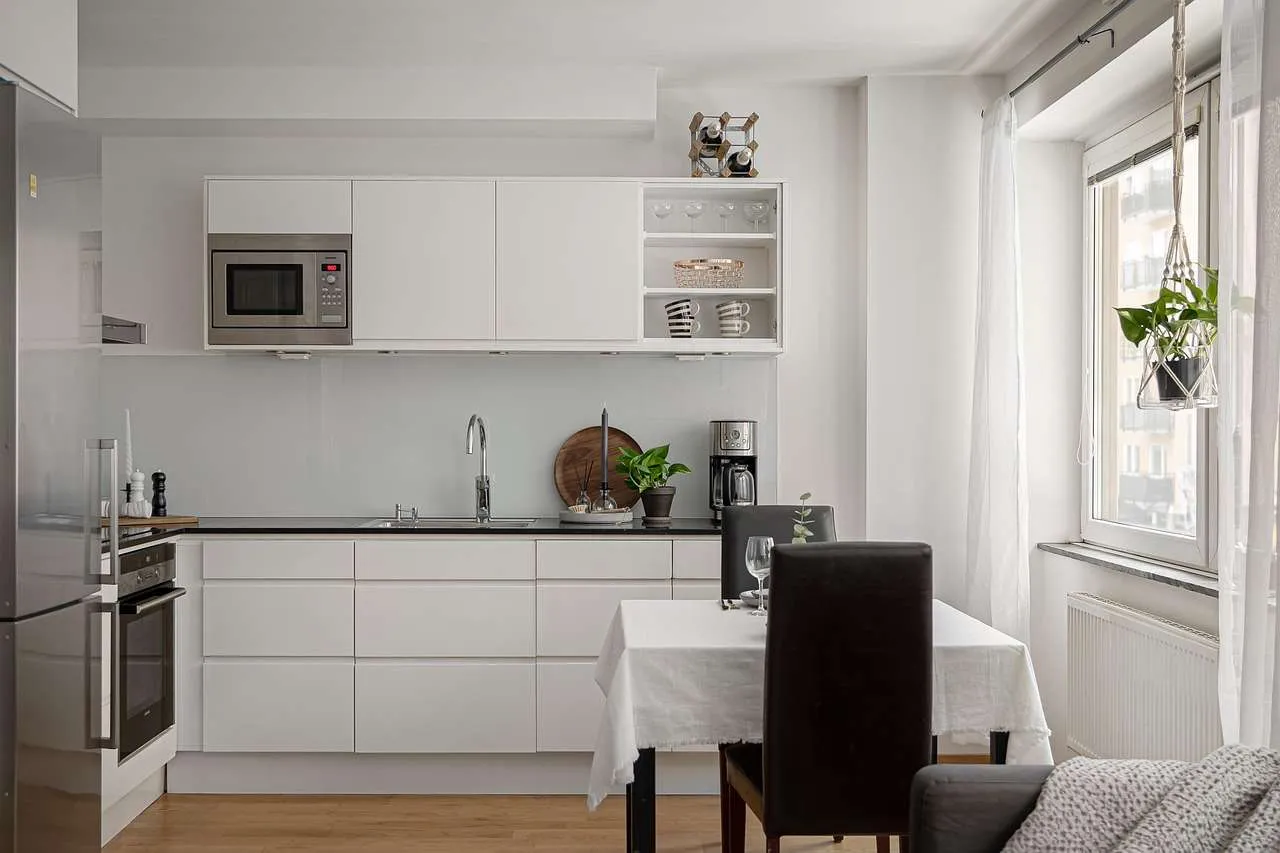
What is home window tint?
Home window tint is a thin film applied to glass to reduce heat gain, glare, and UV exposure while improving privacy. The film is designed for residential use and can be installed on most standard windows, including double-pane and energy-efficient glass. Tinting helps manage interior temperatures and can support energy-saving goals when combined with proper shading and insulation.
Benefits of home window tint
- Energy efficiency: Reduces solar heat gain, lowering cooling costs in hot climates.
- UV protection: Blocks up to 99% of harmful UV rays, helping prevent fading of furnishings and skin exposure.
- Glare reduction: Diminishes harsh bright light, improving comfort in living areas and home offices.
- Privacy and security: Improves daytime privacy and adds a layer of safety by holding shards in case of breakage (depending on the film).
- Appearance and resale value: Available in various tones to match architecture while maintaining exterior visibility.
Types of residential window tint
Dyed window tint
Dyed films are the most affordable option. They absorb solar energy and provide added privacy but can loosen over time and may show color shifts on large surfaces.
Metalized window tint
Metalized films reflect a portion of heat and add strength. They can interfere with some electronic signals and may look reflective from the outside.
Ceramic window tint
Ceramic films are high-performance, non-conductive, and offer excellent UV rejection, glare control, and color stability without metal interference. They tend to be more expensive, but long-term durability is strong.
Carbon window tint
Carbon films reduce solar heat without aggressive reflectivity and preserve a matte appearance. They resist fading and deliver good color neutrality but at a mid-range price.
Laminated or security tint
Laminated films combine a glass-backed layer for additional safety and can deter break-ins, while still allowing light. They are heavier and typically used where enhanced protection is desired.
How to choose the right tint for your home
Start by assessing climate and sun exposure for each room. In hot climates, higher VLT might be chosen for maximum cooling, while cooler regions may prioritize privacy and UV protection. Consider the room usage (kitchen, living room, home office), and your home’s exterior style. Local regulations may limit the darkness of front-facing windows, so verify with a licensed installer or building authority. Budget, warranty, and maintenance should also factor into your decision.
Comparison of common window tint types
| Type | UV rejection | Visible light transmittance (VLT) | Durability | Price range | Pros / Cons |
|---|---|---|---|---|---|
| Dyed | Moderate | 40-70% | Low to moderate | Cheap | Affordable, privacy; can fade, may bubble or peel over time |
| Ceramic | Excellent | 30-70% | High | High | Best performance, non-metallic, higher cost |
| Metalized | Very good | 15-70% | Medium | Mid to high | Strong heat rejection, potential signal interference |
| Carbon | Excellent | 40-70% | High | Mid to high | Matte finish, good heat control, remains dark over time |
| Laminated/Security | Excellent | Varies | Very High | Mid to high | Increased safety, heavier, higher cost |
Installation and costs
Hiring a professional installer typically ensures proper edge sealing, alignment, and bubble-free results. Costs depend on window size, film type, and number of panes but commonly range from 5 to 12 dollars per square foot installed, with ceramic and carbon options at the upper end. DIY kits exist but require careful cleaning, precise cutting, and steady hands to avoid air pockets.
Legal and safety considerations
Some jurisdictions regulate tint darkness on front windows or windshields. Check local building codes and homeowners associations before purchasing. For safety, choose films with warranty-backed adhesion and where possible opt for tempered or laminated glass upgrades for high-traffic areas or ground-floor rooms.
Maintenance and longevity
Clean with a soft cloth and mild, non-ammonia cleaners to avoid damage or film clouding. Avoid abrasive materials. Most high-quality films last 10 to 20 years depending on sun exposure, quality of the film, and installation quality. Replacing damaged sections is best done by a pro to preserve uniformity and warranty.
Conclusion, a well-chosen home window tint reduces heat, blocks UV, and adds privacy while preserving natural light. Ceramic or carbon films offer the best balance of performance and durability, while dyed and metalized options suit budget or aesthetics. Always consider local laws, room usage, and maintenance, and hire a licensed installer to guarantee a safe, warranty-backed result.
%20631-4295-9991f1c4c750?q=80&w=2070&auto=format&fit=crop)